

Both treatments are injected. Both can use hyaluronic acid. That is where the similarity ends.
Skin booster vs filler is not a question of which product is better. It is a question of what you are trying to change: the quality of your skin, or the volume and structure underneath it? Confusing the two leads to unrealistic expectations about what a treatment can do.
Not sure which your skin needs? Hydration and volume are different problems, and they are easy to mix up. A doctor-led assessment at Anaya Aesthetics, a beauty clinic Bali, checks your skin quality, texture, and structure before anything is injected. Book a skin assessment on WhatsApp.
The Difference in One Line
- Filler is placed to restore volume, enhance contours, and provide structural support. It can create projection and, depending on where it is placed, a lifting effect.
- A skin booster is placed to improve skin quality, including hydration, smoothness, elasticity, and radiance. It is not designed to create the structural lift or projection associated with dermal filler.
Put simply, filler changes shape and volume. A skin booster focuses on skin quality.
How Skin Boosters Work
Hyaluronic acid is a naturally occurring component of the skin’s extracellular matrix. It has a strong ability to attract and retain water, which is one reason it is used in injectable treatments designed to improve skin hydration and quality.
Skin boosters introduce hyaluronic acid into the skin in formulations designed for skin-quality treatment rather than structural augmentation. Depending on the product, the material is distributed through the treated area rather than being placed as a concentrated bolus to create projection.
The goal is to improve qualities such as hydration, elasticity, smoothness, and radiance. Clinical reviews of injectable hyaluronic acid have found improvements across several measures of facial skin quality, although results vary according to the product, injection technique, and treatment protocol.
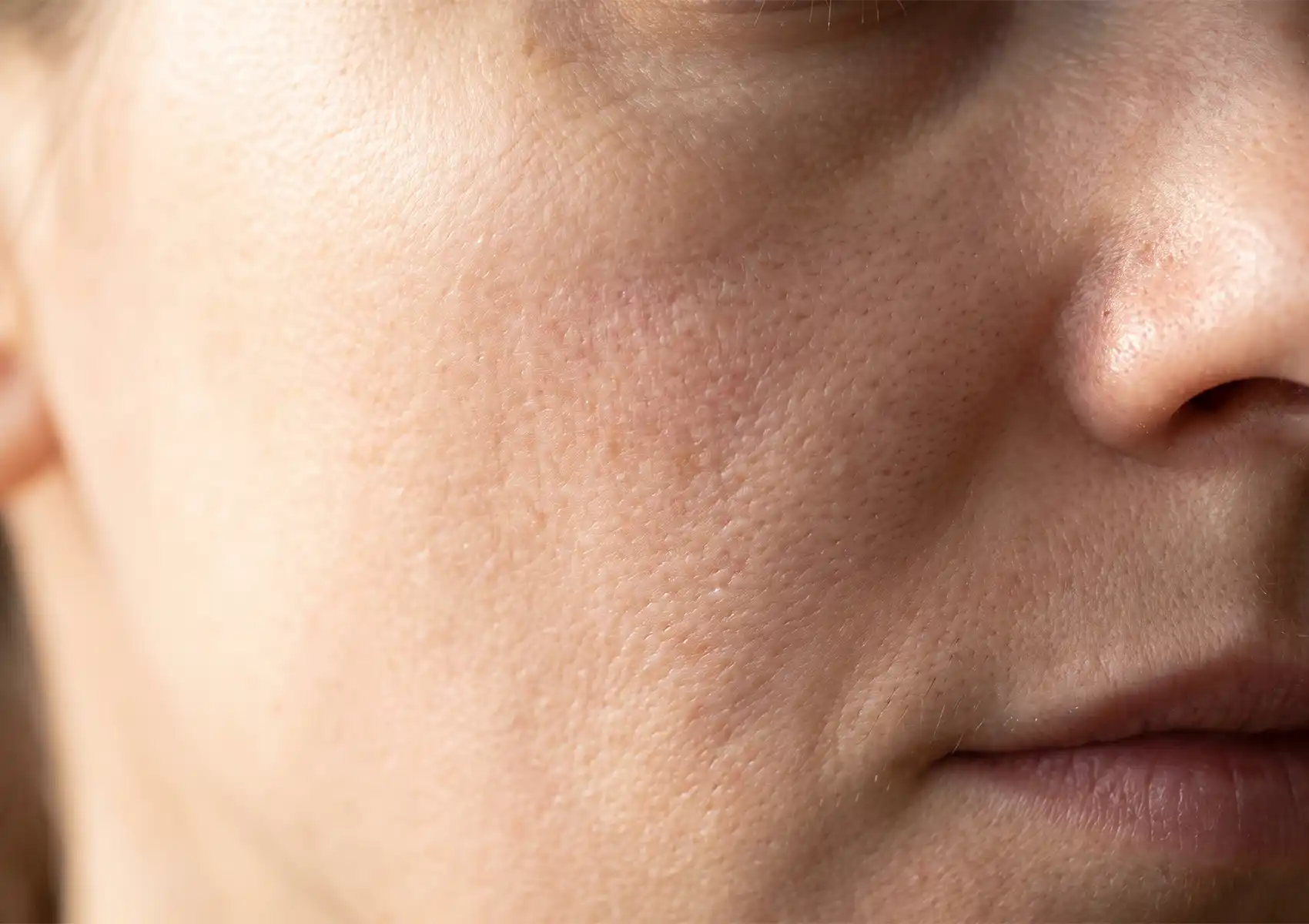
That distinction matters for expectation setting. A skin booster is not a replacement for filler when the underlying concern is a loss of structural volume.
At Anaya Aesthetics, skin boosters include treatments such as Profhilo, NCTF 135 HA, and Restylane Vital Light, among others. The clinic currently recommends an initial course of two sessions six weeks apart, followed by periodic maintenance, depending on the treatment.
Skin Booster vs Filler at a Glance
| Skin Booster | Filler | |
| The concern it solves | Skin quality | Volume and structure |
| What it changes | Hydration, texture, elasticity, radiance | Contour, projection, support |
| Best for | Dull, dehydrated, uneven skin; “glass skin” goals | Volume loss, jawline or chin support |
| How it works | HA distributed to improve skin quality | HA placed to restore or add volume |
| Downtime | Usually minimal; small bumps or bruising possible | Minimal; some swelling or bruising possible |
| Starting price at Anaya Aesthetics | From IDR 2,500,000/ml | From IDR 3,700,000 per ml |
Prices exclude 11% tax and are a starting guide; the final figure depends on the product and areas treated. See the current price list.
Why This Matters More in Bali
Bali’s outdoor lifestyle makes sun protection particularly important when you are thinking about long-term skin quality.
Regular ultraviolet exposure contributes to photoaging and can affect collagen and elastin in the skin. That does not mean everyone living in Bali will develop the same skin concerns, but it does make daily photoprotection an important part of maintaining skin quality.
For people who spend a lot of time outdoors, swimming or moving between outdoor heat and air-conditioned spaces, skincare can also become more demanding.
The result can be skin that has good underlying structure but looks dull, dehydrated or uneven in texture. That is primarily a skin-quality concern, rather than a volume problem.
A skin booster may be relevant to that concern. Filler, by contrast, is designed to address volume, contour, and structural support.
When Filler Is the Correct Answer

Filler may be appropriate when the concern is structural, such as:
- Volume loss in the midface or temples.
- A lack of support along the jawline or chin.
- A defined hollow or contour that requires volume rather than hydration.
- Age-related changes in the underlying facial structure.
The important point is that filler is not simply a treatment for “wrinkles”. Its purpose is to restore or enhance volume and structure in carefully selected areas.
When Skin Boosters Are the Correct Answer
A skin booster may be more appropriate when the skin itself is the concern:
- Dullness and reduced radiance.
- Fine surface lines rather than deeper folds.
- Rough or uneven texture.
- Skin that feels persistently dehydrated.
- Loss of elasticity or firmness.
- Skin in areas such as the face, neck, or décolletage that would benefit from improved quality.
If you are looking for the hydrated, reflective appearance often described as “glass skin”, a skin booster may be relevant to that goal. The aim is improved skin quality and hydration, not added facial volume.
Chasing glass skin or fixing a hollow? Tell us your main concern and a doctor will say honestly whether a booster, filler, both, or neither fits. Message the medical team on WhatsApp. Planning treatments across the year? The Anaya Aesthetics’ VIP Membership may work in your favour.
Sessions, Cost and Aftercare
Anaya Aesthetics currently recommends an initial course of two skin-booster sessions about six weeks apart, followed by periodic maintenance, depending on the treatment; your doctor confirms the plan at consultation. The price for skin boosters starts from IDR 2,500,000, and fillers start at IDR 3,700,000 per ml, both excluding 11% tax. A consultation is IDR 300,000 plus tax (IDR 333,000), waived if you proceed. Downtime for both is usually minimal, with small bumps, swelling, or bruising possible for a short time.
You May Not Have to Choose
Skin boosters and filler do not have to compete. Some people have both structural and skin-quality concerns, so a plan may include both, with the sequence depending on anatomy, goals, areas, and products. Identify the problem first: if volume is missing, hydration will not recreate structure; if the structure is already adequate but the skin looks dull, more volume will not fix that either.
Make an Appointment
The honest answer to skin booster vs filler is that the two treatments are designed to solve different problems.
A skin booster focuses on skin quality. Filler focuses on volume and structure. Some patients need one, some may benefit from both, and some may need neither.
That is what an assessment is for.
Our medical team at Anaya Aesthetics, a beauty clinic in Bali, can assess hydration, texture, elasticity, volume, and facial structure before recommending an appropriate treatment. You can also review current treatment offers or VIP membership benefits if you are planning treatment over time.
To plan the right approach for your skin, make an appointment with our medical team on WhatsApp.
Two treatments that look similar on an invoice can solve completely different problems. Knowing which problem you have comes first.
Frequently Asked Questions
Can a skin booster lift my face like filler?
No. Boosters improve skin quality and hydration; they are not designed for lift or projection. That is filler’s role.
How soon will I see results from a skin booster?
Skin-quality changes build over time and with maintenance rather than appearing instantly, and results vary by product and skin.
Is there downtime?
Usually minimal for both. Small injection bumps, swelling, or short-lived bruising can occur.
Which is better value for dull, dehydrated skin?
If the concern is skin quality rather than lost volume, a skin booster is usually the more relevant treatment. An assessment confirms it.
Can I have both?
Yes, when you have both structural and skin-quality concerns. Your doctor will advise the right combination and order.

