

Melasma is not a stain that can be removed. It is a chronic pigmentary condition that can be controlled but remains prone to relapse.
That distinction explains much of the frustration among clients seeking melasma treatment in Bali. They have had treatments that worked, only to watch the pigmentation return months later. A relapse does not always mean the treatment failed; melasma can return when the factors driving pigmentation are still present. In Bali, those factors are difficult to avoid completely.
Seeing pigmentation come back? Melasma needs a plan built around your triggers, not a one-off procedure. A doctor-led assessment at Anaya Aesthetics, a beauty clinic Bali located in Kerobokan, identifies your pigmentation type first, before any laser is considered. Book a pigmentation assessment on WhatsApp; the fee is IDR 300,000 plus 11% tax (IDR 333,000) and is waived if you proceed with treatment.
Melasma Is Not the Same as Sunspots

The first correction to make is diagnostic, because different types of pigmentation require different approaches.
- Sunspots, or solar lentigines, are usually discrete, clearly defined areas of pigmentation associated with cumulative sun exposure.
- Melasma typically appears as larger, symmetrical patches with less-defined borders, often across the cheeks, forehead, and upper lip. It can fluctuate and is influenced by light exposure, hormonal factors, and individual susceptibility.
Melasma and sunspots are clinically distinct because their treatment approaches differ. Before choosing a laser, peel, or other procedure, the type of pigmentation needs to be identified correctly.
A treatment that is appropriate for a solar lentigo is not automatically appropriate for melasma, particularly in skin that is prone to post-inflammatory pigmentation.
Why Is Visible Light Matters
Ultraviolet radiation is the obvious concern when discussing pigmentation. But visible light, which occupies roughly the 400 to 700 nanometre range, can also stimulate pigmentation, particularly in people with darker skin types and pigmentary conditions such as melasma.
That creates a practical problem with photoprotection.
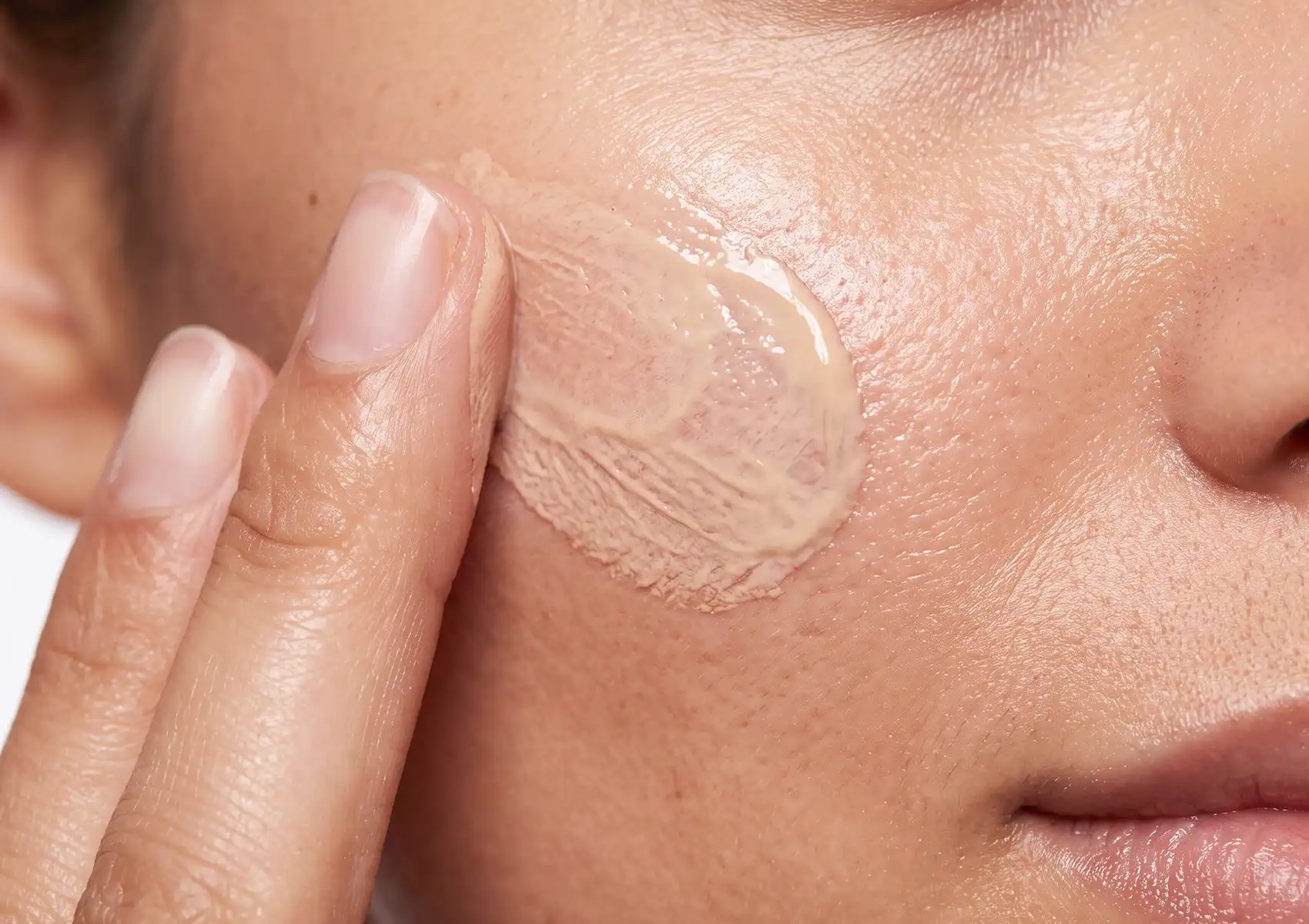
Standard broad-spectrum sunscreens are designed primarily to protect against ultraviolet radiation and may not provide sufficient protection against visible light. Tinted sunscreens containing iron oxides can extend protection into the visible spectrum and are recommended by expert guidance for people with melasma and other pigmentation disorders
In other words, you can apply sunscreen correctly every day and still leave part of the pigmentation problem unaddressed if your photoprotection does not account for visible light.
Now consider Bali. Significant daylight exposure is a practical consideration year-round, particularly for people who spend time outdoors. Water, sand and other bright surfaces can also increase the amount of reflected light reaching the skin.
For someone prone to melasma, photoprotection therefore needs to be part of daily management rather than something used only after a treatment.
The Hormonal Half of the Problem
Light is only part of the picture. Hormonal influence is another important factor in melasma, which is one reason the condition is particularly common among women.
Pregnancy, combined oral contraceptives, and other hormonal changes can influence melanocyte activity and contribute to melasma in susceptible individuals. Genetic predisposition also plays a role.
This is worth discussing during a consultation rather than after treatment.
A plan that focuses only on visible pigmentation may miss factors that contribute to recurrence. Understanding the patient’s hormonal history, treatment history, and exposure patterns helps the doctor build a more appropriate management strategy.
Not sure whether it is melasma or sun damage? Getting the diagnosis right changes the whole plan. Send your concern and a doctor will advise whether a device treatment is even the right first step. Message the medical team on WhatsApp. For ongoing management, ask about the VIP membership benefits.
Why Aggressive Treatment Can Backfire
Melasma involves increased pigment production and a complex interaction between the epidermis and dermis. Because inflammation can contribute to post-inflammatory hyperpigmentation, unnecessarily aggressive treatment can sometimes make pigmentation more difficult to manage.
Heat may also be relevant to melasma activity, making thermal exposure an additional consideration when planning treatment.
The clinical approach is therefore usually conservative and staged:
- Photoprotection first, including appropriate visible-light protection.
- Treatment settings tailored to the individual, rather than automatically using the highest intensity.
- Combination approaches when appropriate, rather than relying on one treatment for every case.
- Sufficient time between procedures to allow the skin to recover and the response to be assessed.
At Anaya Aesthetics, device options include the Pico laser and the Lavieen thulium fractional laser. The appropriate treatment and settings depend on the type of pigmentation, skin condition, and individual response. For some patients, a device treatment may not be the first step.
What Realistic Management Looks Like
Set expectations against the nature of melasma rather than against a single before-and-after photograph.
- Melasma is chronic and relapsing. The goal is long-term control and maintenance rather than a permanent one-time removal.
- Improvement takes time. Results are generally assessed over weeks and months rather than immediately after a procedure.
- Daily photoprotection is foundational. It is not simply an optional addition to in-clinic treatment.
- Reducing direct sun exposure matters. Shade, hats, and avoiding prolonged exposure during periods of strong sunlight can complement sunscreen.
- Maintenance matters after improvement. Melasma remains prone to relapse, so ongoing photoprotection and an appropriate maintenance plan are important
Sessions, Cost and What to Expect
Melasma is chronic and relapsing, so the goal is long-term control and maintenance rather than a permanent one-time removal. Improvement is generally assessed over weeks and months, not immediately after a procedure, and daily photoprotection is foundational rather than optional. Shade, hats, and avoiding strong midday sun complement sunscreen, and maintenance matters after improvement because relapse remains likely.
The Pico laser price at Anaya Aesthetics starts from IDR 750,000 (for milia removal) and Lavieen from IDR 4,000,000 per session, both excluding 11% tax, with multi-session packages available; the plan and number of sessions are set at consultation. A consultation is IDR 300,000 plus tax (IDR 333,000), waived if you proceed.
Make an Appointment
Melasma rewards patience and punishes force.
In Bali’s tropical climate, treatment planning needs to account for ongoing light exposure rather than treating pigmentation as a course with a definite end date.
Our medical team at Anaya Aesthetics, a beauty clinic in Bali, assesses pigmentation type, skin condition, treatment history, and relevant hormonal factors before recommending whether a device treatment is appropriate. If you are planning ongoing management, this month’s offers and the VIP programme are also worth reviewing.
To have your pigmentation properly assessed, make an appointment with our medical team on WhatsApp.
Correct diagnosis first is not a caution. It is the treatment.
Frequently Asked Questions
Can melasma be cured permanently?
No. It is chronic and relapsing. Treatment aims for long-term control with maintenance, not permanent removal.
How do I know if it is melasma or sunspots?
They look different but overlap, so a clinical assessment confirms the type before any treatment is chosen.
Will a laser fix it in one session?
Unlikely. Melasma is managed over weeks and months, often with combination care and always with photoprotection.
Is my sunscreen enough in Bali?
Standard sunscreen may not cover visible light. A tinted, iron-oxide sunscreen is often advised for melasma-prone skin.
Could treatment make it worse?
Overly aggressive treatment can trigger post-inflammatory pigmentation, which is why a conservative, staged plan is used.

