
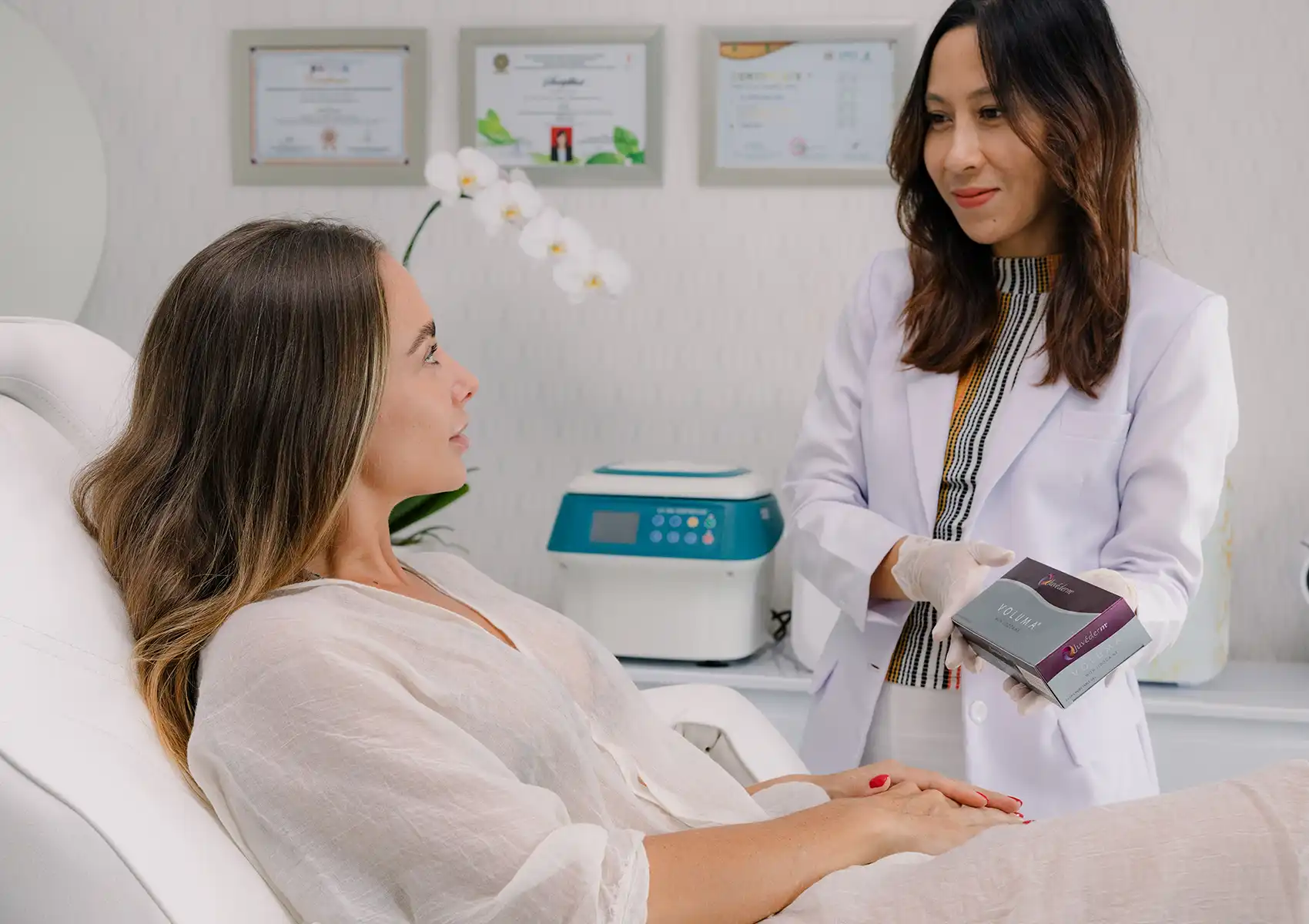
Bali has a large and varied aesthetics market. Some practices are medically led, while others operate more like beauty businesses with treatment rooms.
For a visitor, or someone newly resident, telling the difference from a website can be difficult. Everything may look clean, bright, and reassuring. So how to choose an aesthetic clinic in Bali comes down to knowing which questions distinguish a medical practice from a beauty business offering medical treatments.
About to book an injectable with a clinic you don’t know yet? The four questions below take two minutes to ask and tell you most of what matters. If you would rather have them answered in person, a doctor-led assessment at Anaya Aesthetics in Kerobokan is IDR 300,000 plus 11% tax (IDR 333,000), waived if you proceed. Ask us anything on WhatsApp.
The Distinction That Matters
The difference between an aesthetic clinic and a beauty spa is not simply price or décor. It is the level of medical assessment, oversight, and responsibility behind the treatment.
- A beauty spa generally delivers treatments selected from a service menu. The process begins with the treatment the client chooses.
- A medical aesthetic clinic assesses your face or skin, considers your medical history and treatment goals, and recommends an appropriate plan. The treatment follows the assessment rather than replacing it.
That distinction matters because your anatomy, medical history, and previous treatments can all affect whether a particular procedure is appropriate.
Who Is Holding the Needle?
This is one of the most important questions to ask, and it is entirely reasonable to ask it directly.
Injectable treatments are medical procedures. They involve introducing a substance into tissue containing blood vessels and nerves, and facial vascular anatomy varies between individuals. Some of the most serious complications of injectable treatments are vascular.
Before an injectable treatment, establish:
- Who will perform the treatment, by name and qualification.
- Whether that person is a doctor or another appropriately qualified medical professional.
- Whether the person assessing you will also perform the treatment.
- Who is responsible for your care if a complication occurs.
A reputable clinic should be comfortable answering these questions clearly.
Emergency Preparedness
Ask what happens if something goes wrong. The answer can tell you a great deal about how seriously a clinic approaches medical risk.
For hyaluronic acid filler specifically, one serious complication is vascular occlusion, where filler obstructs blood flow. It is uncommon but time-critical. When appropriate, hyaluronidase, an enzyme that breaks down hyaluronic acid, is used as part of the management of complications involving hyaluronic acid filler.
Reasonable questions include:
- Is hyaluronidase available on site?
- Is there a protocol for managing vascular complications?
- Who should you contact if a problem develops after you leave the clinic?
- What follow-up is provided if you have a concern outside normal clinic hours?
You are not being difficult by asking. You are finding out whether the clinic has prepared for complications before they happen.
A clinic worth choosing will welcome these questions. If you would like to see how a medical assessment actually runs, book one and judge for yourself. Message the medical team on WhatsApp. If you are weighing treatments over time, our membership options are there to review too, though neither replaces a consultation.
Product Provenance
Ask what is being injected, and ask to see the product.
- The product should be identified by name rather than described only as “filler” or “a premium brand.”
- You should be able to see the packaging and product information before treatment.
- The clinic should be able to explain where the product was sourced.
Counterfeit and improperly sourced medical products are a legitimate concern in any market. A reputable clinic should be transparent about the products it uses and where they come from.
Consultation Quality
You can learn a great deal about a clinic in the first ten minutes of a consultation, before any treatment is performed.
Signs of a medical approach
- Questions about medical history, medication, allergies, and previous treatments.
- Examination of the treatment area rather than a quick visual assessment.
- An explanation of the mechanism and why the proposed treatment addresses your concern.
- A realistic discussion of expected results, including what the treatment will not achieve.
- Willingness to recommend against a treatment or suggest a different approach when appropriate.
Signs to be cautious about
- A price quoted before any meaningful assessment.
- Pressure to decide on the appointment.
- Packages recommended before your face or skin has been properly assessed.
- Reluctance to answer questions about qualifications, products or potential complications.
The quality of the consultation often tells you more than the appearance of the treatment room.
Considerations Specific to Bali
Two local factors are worth considering.
Treatment while travelling. If you are only in Bali for a week, consider what follow-up will look like. Treatments with potential delayed reactions or complications are easier to manage when you can return to the clinic. Ask how the clinic handles follow-up if you develop a concern after leaving Bali.
Climate and timing. Ultraviolet exposure can affect pigmentation and recovery after some energy-based treatments and resurfacing procedures. A clinic that asks about your recent sun exposure and your plans for the days following treatment is taking those factors into account. Booking an intensive laser treatment immediately before a day on a boat, for example, may not be sensible.
What Does Doctor-Led Actually Mean?
The term doctor-led can be used broadly, so it is worth asking what it means in practice.
At its weakest, doctor-led may simply mean that a doctor is associated with the business. At its strongest, it means the doctor is directly involved in assessment, treatment planning, and the medical procedures themselves, with clear responsibility for patient care.
Ask which model you are being offered.
Make an Appointment
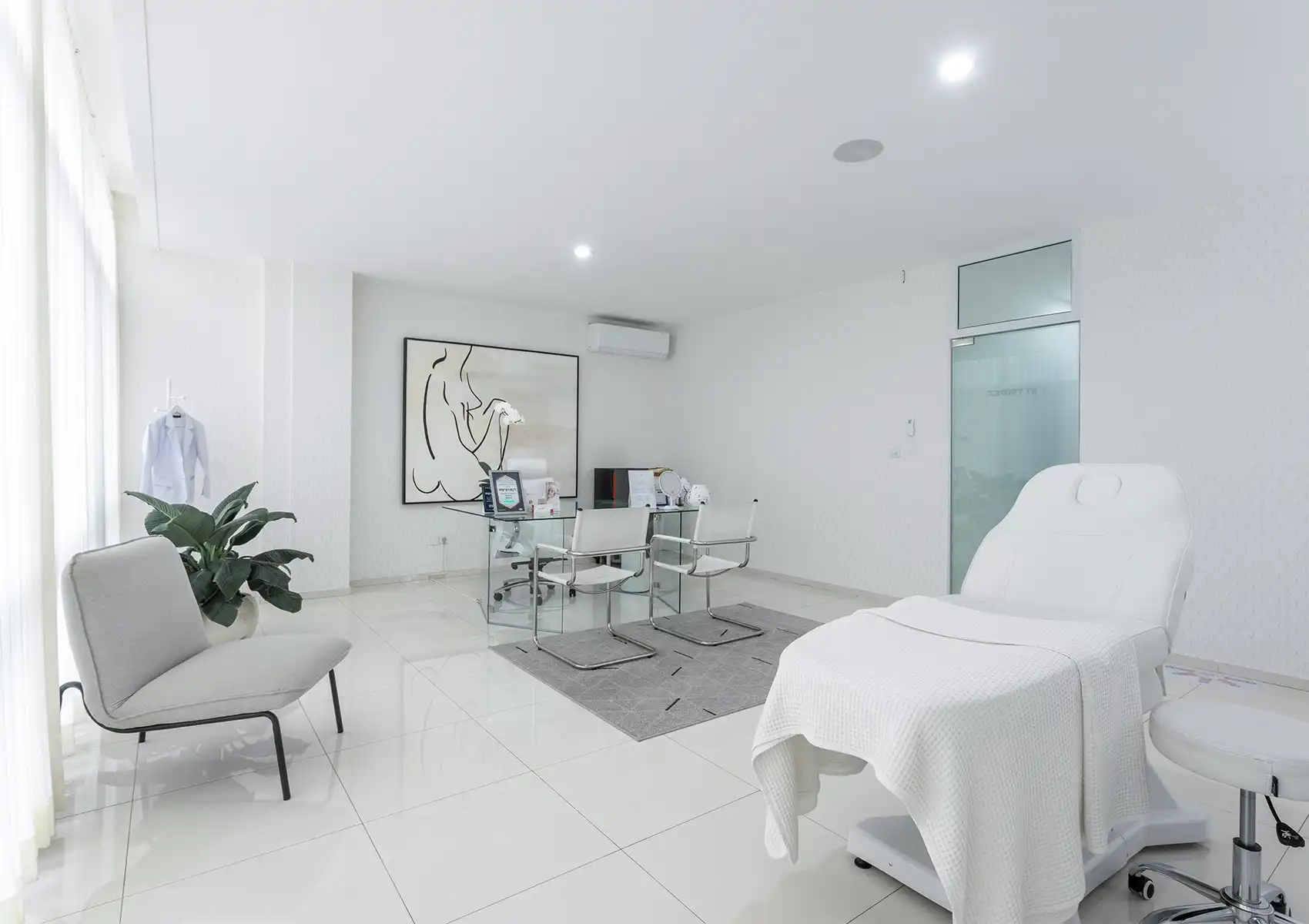
Choosing an aesthetic clinic is mostly a matter of asking four questions:
Who is treating me? What are you injecting? What happens if there is a complication? And why is this treatment appropriate for me?
A reputable medical aesthetic clinic should be able to answer all four clearly.
If you would like to understand how we approach assessment, you can review our active offers and long-term membership options, although neither is a substitute for a consultation.
To arrange an assessment with our medical team at Anaya Aesthetics, a doctor-led beauty clinic Bali, message us on WhatsApp.
The right clinic should make you comfortable asking questions before it makes you comfortable booking treatment.
Frequently Asked Questions
What is the difference between a clinic and a spa?
A spa starts from a menu; a medical clinic starts from an assessment of your skin, history, and goals, with medical oversight behind the treatment.
Who should perform injectables?
A doctor or another appropriately qualified medical professional. It is reasonable to ask for their name and qualifications.
What should I ask about complications?
Whether hyaluronidase is on site, whether there is a protocol for vascular complications, and who to contact after hours.
How do I know the product is genuine?
Ask to see the packaging and product name before treatment, and ask where it was sourced. A reputable clinic will show you.
Is a paid consultation a bad sign?
No. A proper assessment takes time and expertise. At Anaya Aesthetics, it is IDR 333,000, including tax, and is waived if you proceed with treatment.

